

Digital marketing is constantly evolving and so are the tools we use to achieve it. Most of us have probably at one point posted something and then crossed our fingers that Google liked it, and shared it with our ideal audience. I’m even doing that with this article. And, well… those days may well now be over.
A recent Ofcom report shows a huge Google Search traffic drop.
For the first time.
A decline of 3%.
Ok, that might not sound like a lot, and in fact, they still have 83% of the search market, but still… It’s signalling a nod towards the future when search engines will inevitably become obsolete. And as search traffic shifts, businesses will need to explore new avenues to reach their audience.
Enter podcasting.
Now, yes, I’m biased. But, podcasts are dynamic content that can transform how brands connect with target audiences.
Or, as the more sales-driven marketer would describe them, future customers!
The Google Decline and Possible Solutions
Ok so this report of a noticeable drop in Google search traffic, while low, is significant. As long as digital marketing has been a thing, Google search has always been seen as the absolute win when it comes to acquiring traffic to anything. Now, with AI search bringing an active threat to the system, we all need to rethink what’s long been considered a cornerstone for online visibility.
This shift has left many brands wondering how to adapt and continue reaching their target audiences.
And they’re particularly panicking because they can’t control AI search.
Nobody can.
Because nobody really knows how it works.
I mean, sure, some so-called experts are saying it’s all about your Bing game, since tests revealed that Microsoft’s search engine is the one being used as the back bone for OpenAI’s search juice.

But nobody knows exactly how much they’re leaning on Bing for this. It could be that they’re looking at completely different algorithmic signals entirely.
Just the other day, I was listening to a US radio show with an expert claiming social media posts and other digital content now make up to 50% of AI search results.
So the only real answer we have at this point is that we need to stay curious, and try lots of things until we get the results we want.
One thing I do know, is that podcast episode descriptions in landing pages and YouTube videos are starting to show up in Google results.
And following my own surface level experiments, I’ve found that certain topics I speak on that have podcast episodes recorded about them, are showing up with Podknows attributed, in specific AI searches.
Whereas my articles without dynamic podcast content embedded don’t tend to show up, unless I specifically ask ChatGPT and other bots some very leading questions.
And I mean, leading. Like “do you have any information from a UK based podcast consultant on this.” For that kind of enquiry, my text only article might be in the top three results.
The Rise of Podcasts
Podcasts have slowly emerged as a powerful medium for storytelling, education, and entertainment within the B2B space.
After all, unlike traditional text-based content, podcasts offer an intimate and engaging way to reach audiences but can still leverage recorded content to super-serve those text based content pieces such as article, blog posts and even book chapters.
Podcast episodes provide a unique opportunity for brands to showcase their expertise, share insights, and connect with listeners on a more intimate and personal level.
The other aspect of this, which nobody talks about, is the autopilot networking assistance a podcast helps any brand ambassador with. Imagine going to an event or conference within your own industry or space, and then having total strangers start meaningful conversations with you. Yep, that’s a thing. That happens in podcasting all the time.
I have two clients with shows (The Rock Fight, The Weeniecast) who have had this happen to them. One of them was in a dog park in the city, and another on a plane waiting to take off, when a conversation was sparked by a listener who wanted to share their enjoyment of their podcast.
But that’s just the tip of the iceberg.
Benefits of Podcasting for Brands
There are so many solid reasons why a brand would benefit from bothering to create a regular podcast, we’d need a 60,000 word book to get through them all. But here’s a quick summary:
Building Authority:
Podcasts allow brands to position themselves as industry leaders by sharing valuable knowledge and expertise, increasing their credibility massively.
Creating Connection:
Through the power of human voice, podcasts create a more personal and relatable experience for listeners, creating a sense of connection and loyalty.
Niche Targeting:
With countless podcast genres, brands can tailor content to specific audiences, reaching those who are most interested in their message.
Flexibility:
Podcasts can be consumed on the go, and thanks to technological improvements – in the car, allowing audiences to engage with content during their daily routines.
A Huge Caveat for Would-Be Podcasters

While every podcast guru on the planet would probably excitedly jump on this news as a massive opportunity to coax you into creating a show, so they can then charge you a lot of money for help with making it, I want to bring you a cold, sobering reality check.
The truth is, you’ll only get out of podcasting what you put into it.
If you’ve been approaching content marketing as an evil must do, and resorted to using ChatGPT to post vague, vanilla, pedestrian content just to tick boxes, then podcasting probably isn’t for you.
Nobody owes you an audience.
You need to build one.
And the only way you’ll do that is by being someone worth listening to.
This is where strategy comes in to play.
No podcast on the planet can get results without having a clear plan in place for reaching those targets. If it all goes wrong, you’ll want to blame podcasting. But podcasting is at zero fault for all the failures that have come before you. The thing they all have in common, is lack of proper strategy, preparation, vision and execution.
So before you even search out answers to any technical questions you might have (and I have a launch strategy checklist to help you with that) I encourage you to digest this coming section, thoroughly.
Like, dude, seriously.
Don’t skip this part.
I mean it.
It may be boring, but it’s the difference between celebration and shame for you.
Getting Started with Planning Your Google-Busting Podcast:
For brands considering the leap into podcasting, here are some steps to get started:
Define Your Area of Expertise (Niche):
 You need to fully understand the unique value your brand can bring to the world through your podcast. Are you offering financial advice? Big deal. Meh.
Are you offering advice for gaining financial independence for people who have had to start from scratch thanks to bankruptcy? Better.
Do you offer that advice but with solutions that help people with terrible credit ratings and lack of access to capital funding?
Ok, now you might be on to something.
Plan Your Content:
Outline episode topics, formats, and other aspects to ensure a consistent and engaging show that will survive beyond your ‘ceiling of interest’. The truth is, the novelty and excitement of doing the show will quickly wear off.
So you need to have a process in mind that will make it as easy for you to create as possible, with minimal stumbling blocks or productivity humps.
Would a guest format take too much time out of your schedule? Probably.
So maybe a solo or cohost format would work best? Will you have time for researching topics? No? Ok, so would it be better to spend the next few months doing that, so you have a bank of content ready to go before you push start on the whole thing?
Invest in Quality Equipment:
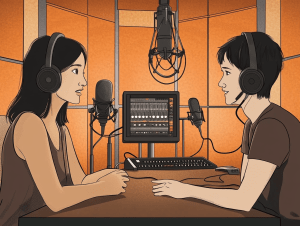 Good audio quality is essential for a professional podcast. Are you planning on recording using your laptop, even though you’re constantly asked to repeat yourself during your online conversations?
Or do you have a headset mic that pops with distortion even on your Zoom calls? Well, do you expect either to sound any better on your podcast? No. They won’t.
Invest in at least passable kit that will help you compete with your more professional sounding competitors, or quit while you’re ahead.
Plan for Promotion:
If your entire strategy for getting attention to your podcast is the same as it was for your boring blog posts – leveraging your existing social media channels – then I’m afraid you’re doomed from the start. Regardless of what the YouTube video podcasting bros are claiming, there isn’t a discoverability problem in podcasting. There’s only a ‘discovering YOUR podcast’ problem you might face. And that’ll be because you’re not doing enough to figure out how you’re going to reach those niche audiences. And weirdly, this is exactly the unique area of expertise (niche that we talked about earlier, above) that I have with Podknows. So feel free to chat with me about this.
As Google search traffic evolves, embracing new platforms like podcasting can offer a fresh way to connect with your audience.
So, if you’re ready to adapt and thrive, now’s the time to hit ‘record’.